

news
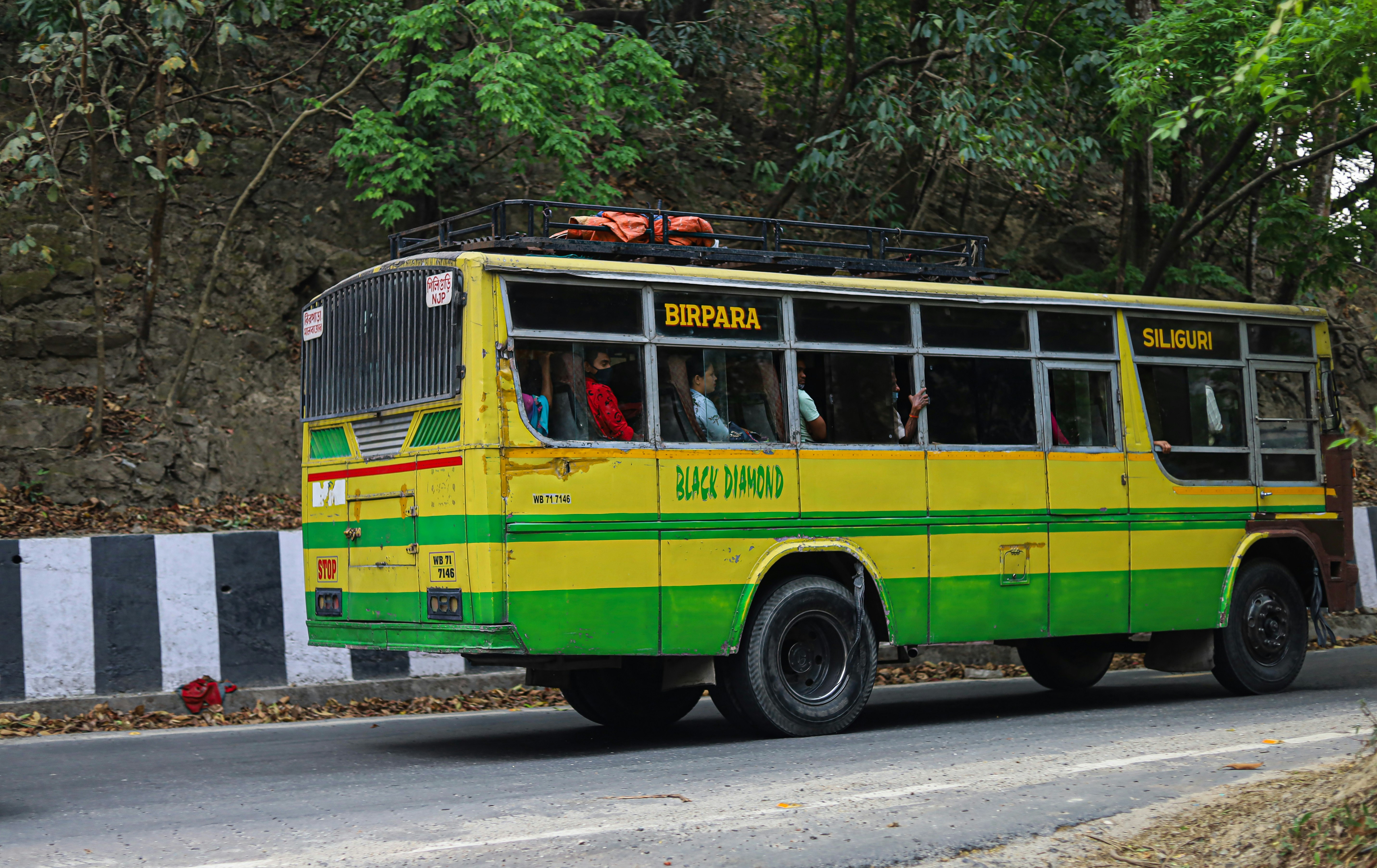
Gorakhpur to Siliguri Highway
Overview of the Gorakhpur to Siliguri Highway
The Gorakhpur to Siliguri highway, commonly recognized as NH-27, serves as a crucial connection between the northeastern states of India and various parts of the country. Starting from Gorakhpur, located in the eastern region of Uttar Pradesh, this vital roadway extends to Siliguri in West Bengal, covering a distance of approximately 550 kilometers. The highway not only facilitates transportation and trade but also plays a significant role in the economic development of the regions it traverses.
Throughout its journey, the Gorakhpur to Siliguri highway passes through several significant towns and cities, each contributing to the cultural tapestry of the route. Important landmarks include the city of Kushinagar, known for its historical Buddhist sites, and the picturesque locations near the Himalayan foothills as one approaches Siliguri. These towns along the highway not only enhance its appeal but also serve as critical nodes for commerce and tourism.
Geographically, the highway showcases diverse landscapes, transitioning from the plains of Uttar Pradesh to the hilly terrains of Uttarakhand and finally leading into the lush valleys of West Bengal. Various infrastructural developments have been undertaken recently to improve the condition of this highway, making it more accessible and safe for travel. Enhancements such as better road maintenance, the establishment of rest areas, and improved signage are pivotal in accommodating the increasing vehicular traffic.
This highway not only serves the daily commute of local residents but also acts as a lifeline for transporting goods and services across state borders. The Gorakhpur to Siliguri highway increasingly positions itself as a strategic artery that bolsters economic interactions and fosters regional integration. Its pivotal role in establishing connectivity cannot be overstated, embodying the dynamics of progress within the Indian subcontinent.
Economic Significance of the Gorakhpur to Siliguri Highway
The Gorakhpur to Siliguri highway serves as a vital artery for the movement of goods and people, significantly influencing the economic landscape of the regions it traverses. Connecting the economically active regions of Uttar Pradesh and West Bengal, this highway enhances trade and commerce, underpinning the economy through increased interactions between businesses and consumers. It creates a seamless flow of products, thereby reducing transportation costs and transit times, which is crucial for businesses looking to thrive in a competitive environment.
Additionally, this highway serves as a conduit for agricultural and manufactured products, facilitating their movement from rural areas to urban markets. Farmers and local producers can now access broader markets, ensuring better price realization for their goods. Enhanced transportation of these products directly boosts the income of rural households and contributes to poverty alleviation, ultimately fostering economic development in smaller towns and villages along the route.
The Gorakhpur to Siliguri highway is also instrumental in promoting tourism. The scenic routes it offers attract both local and international tourists, encouraging investments in hospitality and service sectors. This emerging tourism market provides new business opportunities, leading to the development of hotels, restaurants, and recreational facilities, thereby creating jobs and stimulating economic growth across the region.
Furthermore, improved connectivity through the highway enables businesses to expand their reach across regions. Companies can now establish operations or franchises based in more remote areas, capitalizing on the ease of access afforded by the highway. This has the potential to spur regional development, transforming previously underserved areas into bustling commercial centers and driving local economic growth.
Challenges and Development Initiatives
The Gorakhpur to Siliguri highway serves as a crucial artery connecting eastern and northern India, facilitating trade and travel. However, it faces numerous challenges that hinder its functionality and safety. A significant concern is road safety, with the highway experiencing a high incidence of accidents due to inadequate signage, narrow lanes, and poorly maintained infrastructure. These factors contribute to a hazardous driving environment, prompting calls for immediate reform.
In addition to safety issues, maintenance concerns have been a pressing topic for authorities. Sections of the highway suffer from wear and tear, including potholes and structural damage, which not only impede traffic flow but also increase vehicle operating costs for commuters and transporters alike. Regular assessments and timely repairs are essential to ensure the road remains viable and safe for use.
Traffic congestion further complicates the predicament. Certain stretches of the highway, particularly near urban centers, often become bottlenecks during peak travel times. The influx of heavy vehicles, combined with local traffic, can create delays, affecting overall travel time and economic efficiency. This congestion necessitates a strategic re-evaluation of traffic management systems along the highway.
In response to these challenges, several development initiatives have been proposed and are currently being implemented. Enhancements to road design, including the addition of wider lanes, improved signage, and better lighting, are being prioritized. Moreover, the government is exploring advanced traffic management systems that utilize technology to monitor and manage congestion dynamically. Investment in regular maintenance schedules and community awareness programs aimed at safe driving practices are also on the agenda. Through these efforts, stakeholders hope to significantly improve the travel experience on the Gorakhpur to Siliguri highway, ultimately contributing to economic growth and regional connectivity.
Future Prospects and Improvements
The Gorakhpur to Siliguri Highway, a vital artery for transportation between Uttar Pradesh and West Bengal, is poised for significant future prospects. Strategic upgrades and enhancements are essential not only for improving road safety but also for facilitating faster travel times, which will ultimately contribute to regional economic growth. Government authorities, in conjunction with private entities, are increasingly recognizing the need for comprehensive infrastructure development along this corridor.
One potential improvement involves the introduction of advanced technology for road management. This includes real-time traffic monitoring systems aimed at optimizing traffic flow, thereby reducing congestion on this busy route. The integration of smart traffic signals can help manage vehicle distribution more efficiently, enhancing overall travel experiences for commuters. Moreover, innovative materials for road construction that are more durable could extend the lifespan of the highway, minimizing maintenance costs in the long run.
The role of public-private partnerships (PPP) is critical in this infrastructural advancement. By leveraging resources from both sectors, various projects can be funded and expedited with greater efficiency. These collaborations can lead to upgraded amenities such as rest areas, and emergency services, significantly improving user satisfaction and safety. Furthermore, enhanced roadways can support regional industries by enabling better transportation of goods, leading to increased trade opportunities.
In conclusion, the potential for advancements and improvements on the Gorakhpur to Siliguri Highway holds great promise. With targeted upgrades, integration of advanced technologies, and strategic partnerships, the highway will not only bolster connectivity but also contribute to sustained economic growth in the regions it serves. Stakeholders must aim to implement these innovations while ensuring sustainable practices, keeping long-term benefits in focus.